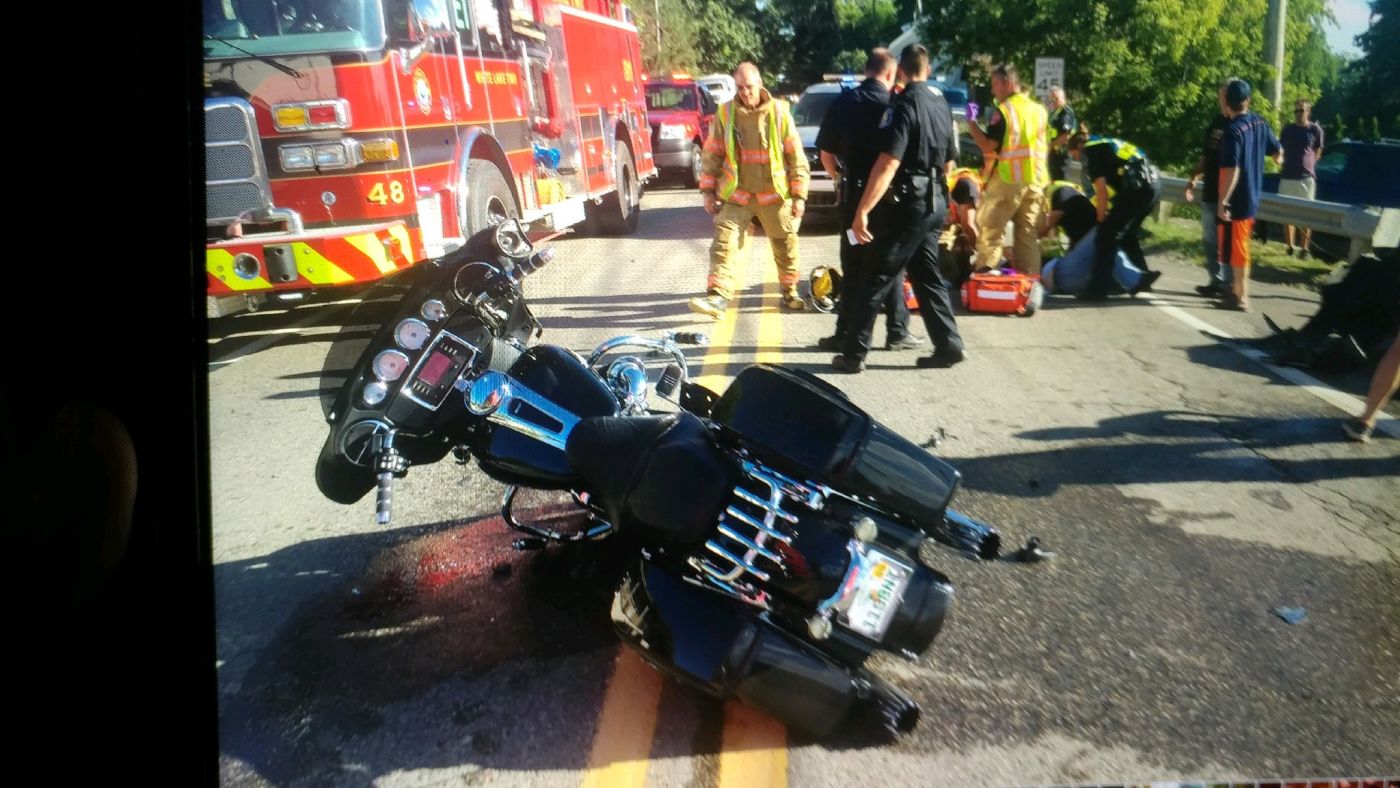
Drunk Driving Accidents: Civil Lawsuits vs. Criminal Charges

Drunk driving cases bring pain, confusion, and a deep sense of injustice for the victims, who are left not only with physical injuries but also with financial strain and emotional trauma. At Schefman & Associates, PC, we often meet clients who have been devastated by the consequences of drunk driving accidents, and we enforce accountability.
As experienced personal injury attorneys, we help victims and families in Michigan, and throughout Oakland, Wayne, Macomb, and Washtenaw counties. We have helped them pursue compensation through the civil court system, even while the criminal process unfolds separately. Criminal prosecution, which provides some accountability, does little to address the victim's personal and financial suffering. Even if the offender is convicted, the court doesn’t automatically provide compensation for medical bills, lost wages, or emotional distress. That’s where personal injury law comes in — allowing victims to seek justice through civil litigation, often holding others who might have been responsible, such as a restaurant, bar, or liquor store, accountable.
A civil lawsuit operates separately from a criminal case. While prosecutors focus on proof beyond a reasonable doubt and punishment, we focus on the evidence that can produce a recovery for the victim.
Under Michigan personal injury law, victims of drunk driving accidents can file civil claims against the impaired driver — and in some cases, other parties such as bars or restaurants that served the driver alcohol before the crash when he was visibly intoxicated.
But there are strict notice requirements that must be observed to hold the licensed liquor seller liable for the actions of the intoxicated individual. The liquor license holder must be put on notice within 120 days from the date that counsel is retained for the purposes of pursuing that claim. If the notice date is missed, no claim, regardless of how intoxicated the driver was at the time of service, or how severe the injuries are, can be brought. You need counsel that understands the intricacies of how the notice provision works and how to avoid getting caught off guard; pay attention to this the moment you consult counsel.
Many victims assume they must wait for the criminal case to conclude before filing a civil lawsuit; however, under Michigan law, both cases can proceed concurrently, and the criminal case may provide valuable and vital evidence. In fact, we often use evidence from the criminal investigation — such as police reports, blood alcohol content (BAC) results, and locate witnesses who can provide testimony of the impaired driver's intoxication when served, to strengthen the civil case.
Under Michigan law, victims of drunk driving accidents generally have three years from the date of the crash to file a personal injury lawsuit. However, acting quickly is essential. Evidence can fade, witnesses may forget details, friends can influence other friends into silence, and insurance companies often begin building defenses immediately after the incident. Internal video from the store or bar is often overwritten every thirty days, or on shorter intervals, unless the bar is placed on notice to retain all of the videos for use in a case.
One of the most distinctive features of Michigan personal injury law is its dram shop provision, which did not exist under common law before the statute was enacted. This law allows victims to hold bars, restaurants, or other alcohol-serving or selling establishments liable if they sold alcohol to a visibly intoxicated person who later caused injuries. But the law only applies to liquor sales license holders and does not apply to homeowners who overserve a guest who then goes out on the road and injures another.
At Schefman & Associates, PC, we thoroughly investigate whether a dram shop claim applies and whether a case may be brought. We examine receipts, surveillance footage, and witness statements to determine where the driver was drinking before the accident. The blood alcohol results indicate intoxication at the time of the crash, by working backwards, we can obtain expert testimony as to the range of blood alcohol at an earlier hour. But the blood alcohol level, when taken, does not necessarily establish that the impaired individual was visibly intoxicated when served or purchasing liquor. Other external evidence is required - which means we have to move quickly, and so should you.
Holding alcohol providers accountable serves two purposes: it increases potential compensation for victims and promotes responsible business practices and safety for everyone on the roads.
While dram shop cases can be challenging, they are an essential tool for victims seeking justice. By pursuing all available avenues, we help our clients maximize compensation.
When we pursue a civil lawsuit on behalf of a drunk driving victim, our goal is to obtain compensation that reflects both immediate and long-term losses. Under Michigan personal injury law, damages fall into two main categories: economic and non-economic.
Here’s the single list of damages we typically pursue in these cases:
Medical expenses: Including emergency care, surgeries, rehabilitation, and long-term treatment that may be in excess of no-fault limits
Lost wages: For time missed from work due to injuries or recovery that may be in excess of no-fault limits
Loss of earning capacity: If the victim’s injuries prevent or limit future employment that may be in excess of no-fault limits
Property damage: To vehicles or other belongings
Pain and suffering: For physical pain and emotional trauma
Loss of consortium: For spouses affected by the victim’s injuries
Future medical costs: Projected expenses for ongoing care if not covered by no-fault
There are real-life consequences of drunk driving and at Schefman & Associates, we help restore victims’ stability and dignity after an accident.
Even when liability seems clear, your own no-fault insurance company will often try to minimize its liability for medical care and other services. They may argue that certain medical treatments are unnecessary or that the victim's pre-existing condition contributed to the medical care and is non-compensable. That’s why working with a personal injury attorney familiar with Michigan insurance law is essential.
Michigan’s no-fault insurance system covers medical expenses and wage loss regardless of fault, but victims can still pursue additional compensation through a third-party claim when the injuries meet the threshold for serious impairment. Drunk driving cases almost always meet this standard because the injuries tend to be severe. Understanding the insurance available, whether a primary or an umbrella policy, is essential to maximizing your compensation.
Often, insurance conflicts arise with a no-fault policy or when coverage limits are in place, such as when you have a coordinated no-fault or limits on payments - who is going to pay the bill and how does that effect your case? You may have an employer-provided, government-based, or even a personal health plan that has rights of reimbursement for the medical payments it may have made for your medical care. These recovery rights must be taken into consideration when resolving the case to avoid repayment from the settlement or verdict against the impaired driver or the liquor license holder. If you are a Medicare recipient, there is federal law that can be applied to reduce the amount of repayment obligation. An untrained attorney may be too anxious to settle without protecting you. We work carefully to coordinate benefits from both no-fault and third-party claims, and reduce repayment responsibilities where possible, to maximize our clients’ recovery under personal injury law.
When a drunk driving crash results in death, all of the surviving family members' claims are merged into a wrongful death lawsuit. Michigan’s Wrongful Death Act allows recovery for medical expenses, funeral costs, loss of companionship, and loss of financial support. A personal representative for the estate is named to represent the protect interests of the estate. While a claim may be pursued within two years from the date of the appointment of a personal representative, or not to exceed six years from the date of loss, the notice to the licensed liquor seller remains unchanged.
At Schefman & Associates, PC, we understand how devastating these cases are for families. While no amount of money can replace a loved one, a successful personal injury or wrongful death claim can provide answers and offer some financial security and a sense of justice.
We handle these cases with compassion, focusing on our clients' needs.